🎓 From Fullstack to the Classroom — Notes on a Teaching Journey and Leaving a Legacy
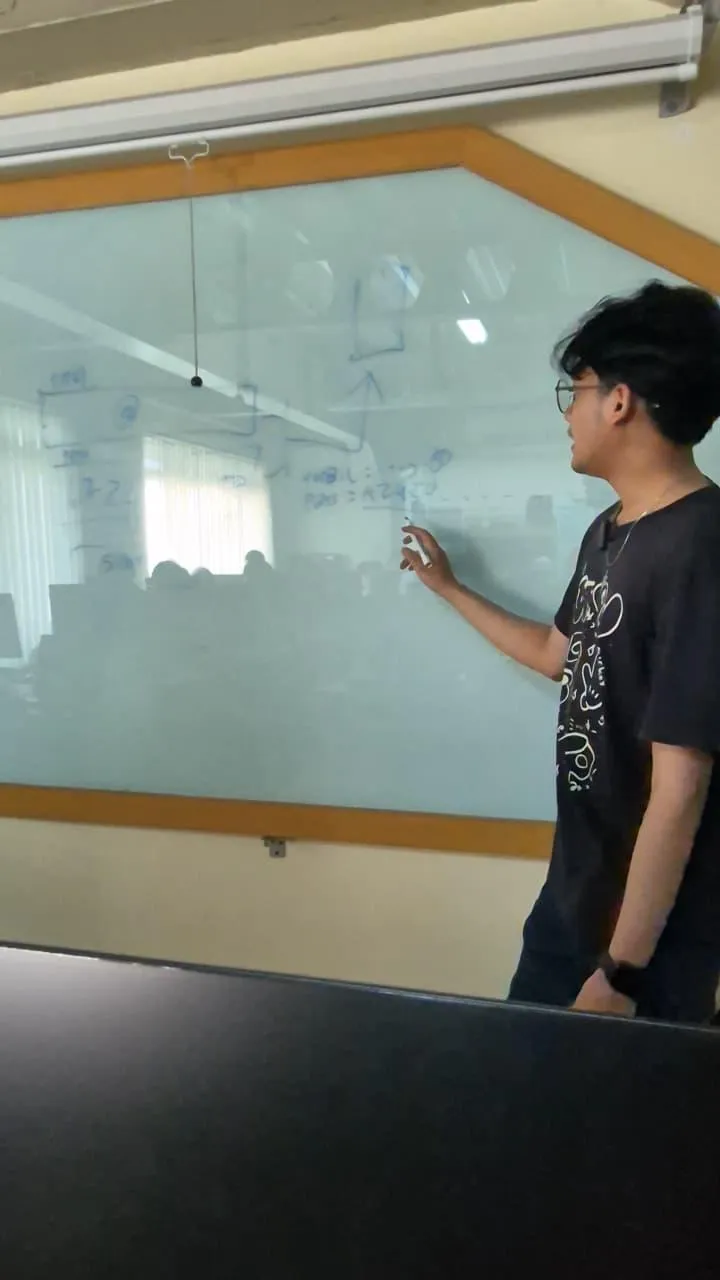
This journey didn't start in a classroom.
It started in the professional world.
In 2022, I first worked as a Fullstack Engineer, while simultaneously starting my university studies without a gap year. My days and nights were filled with code, deadlines, and industrial demands. At that time, it never crossed my mind that I would one day stand in front of a class and teach.
But everything changed in 2023.
🌱 Semester 3 — First Time Teaching, First Time Feeling "This is Me"
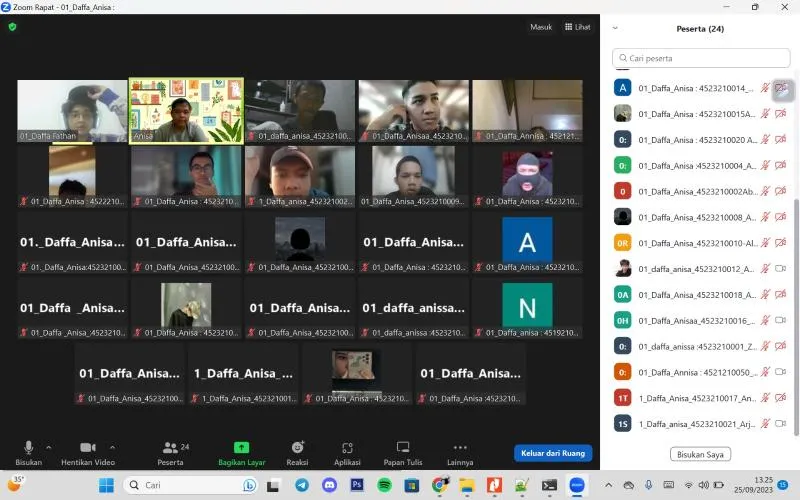
In Semester 3, I made a rather bold decision:
to become a Laboratory Assistant for Basic Algorithms & Programming.
This was my first teaching experience.
There's one moment that still sticks with me today:
I was teaching while skipping another course for an entire semester😂 because the schedules clashed. I was fully aware of the risks — but at that time, I chose teaching.
And the students' expressions when they found out...
their eyes widened. Not out of admiration, but out of confusion:
"How can someone choose teaching over attending their own class?"
That's when the sense of being an educator emerged.
I enjoyed:
-
their expressions when a concept finally "clicked",
-
the satisfaction when a simple explanation made an algorithm feel logical,
-
the happiness of seeing them understand, not just memorize.
It was a feeling that... honestly, is hard to match.
What I Did
-
Taught programming basics: data types, variables, control structures, data structures.
-
Trained logic and problem-solving skills.
-
Provided assessments and evaluations of basic algorithms.
🧠 Semester 4 — Data Structures and the Challenge of Simplifying the Complex
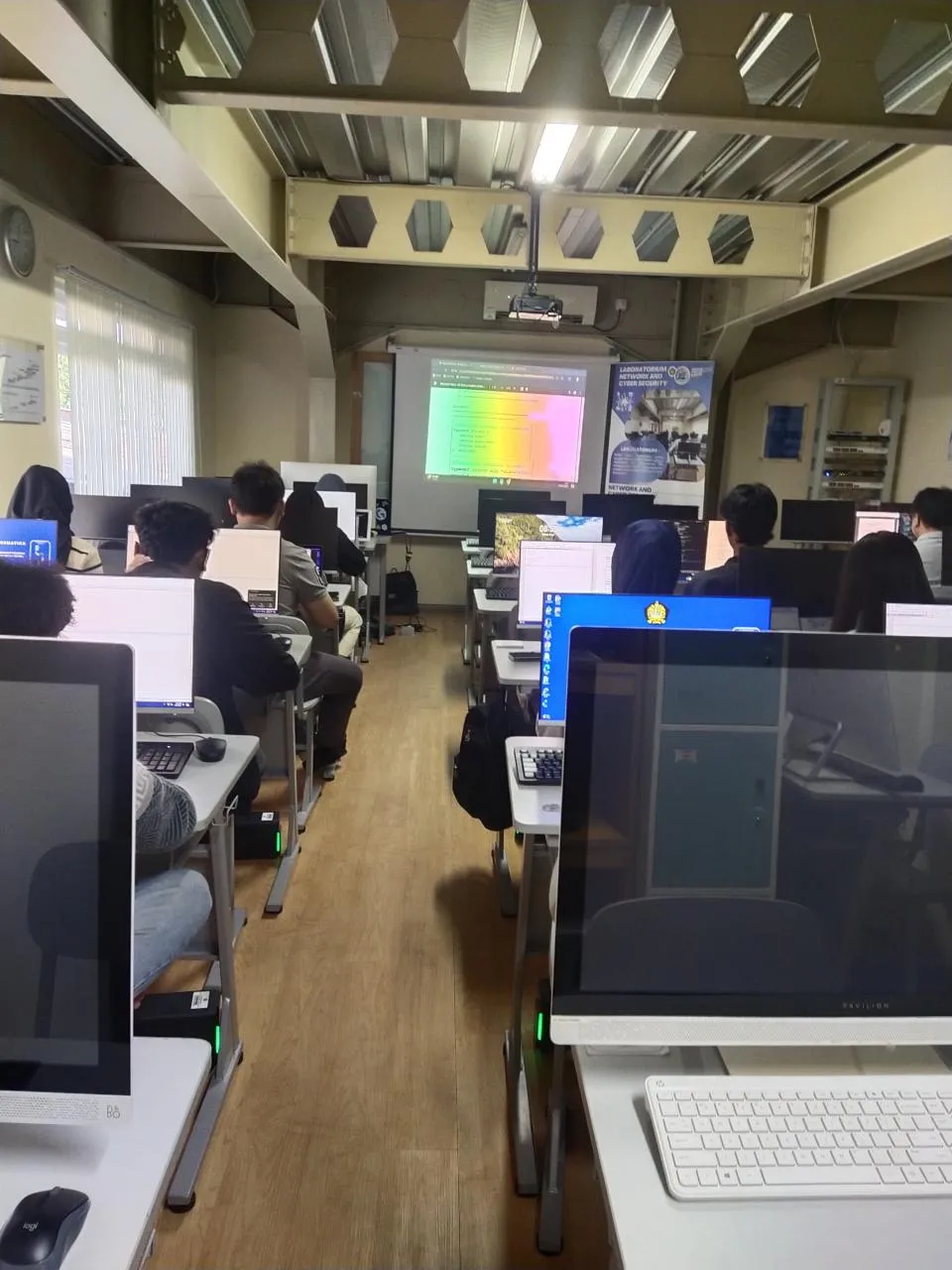
Entering Semester 4, I returned to teaching. This time, the material leveled up:
Data Structures & Algorithms.
The challenge here was no longer what to teach, but how to explain it.
Topics like:
-
Stack
-
Queue
-
Linked List
are easy to memorize, but hard to understand without real-world context.
I started asking myself:
"How can I make this material relevant to the industry?"
So I began:
-
relating stacks to call stacks in the backend,
-
explaining queues through real-world queuing systems,
-
teaching through live coding, analogies, and even small games.
My hope was simple:
if they ever forget the theory later, the logic would still remain.
🗄️ Semester 5 — Database, SQL, and Knowledge Too Valuable to Miss
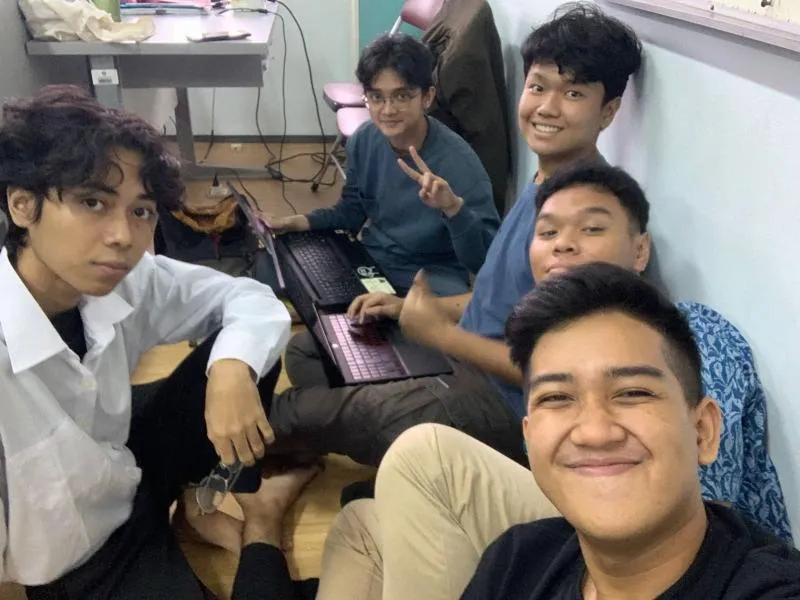
In Semester 5, I taught Database Systems.
My reason was clear and very personal:
while working as a Software Engineer, I realized SQL is gold — but it's often underestimated on campus.
There are many things rarely touched upon seriously:
-
CASCADE -
VIEW -
TRANSACTION -
GROUP BY&HAVING
Yet in the industry, these are exactly what frequently appear.
I didn't want them to just know:
"SELECT * FROM table"
I wanted them to understand why a query can be dangerous, expensive, or powerful.
In this class, I did a lot of:
-
one-on-one mentoring,
-
dissecting query errors together,
-
and explaining databases as the foundation of data science & system design.
🌉 Semester 6 — Teaching 50 Students, Data Structures, and Life Analogies
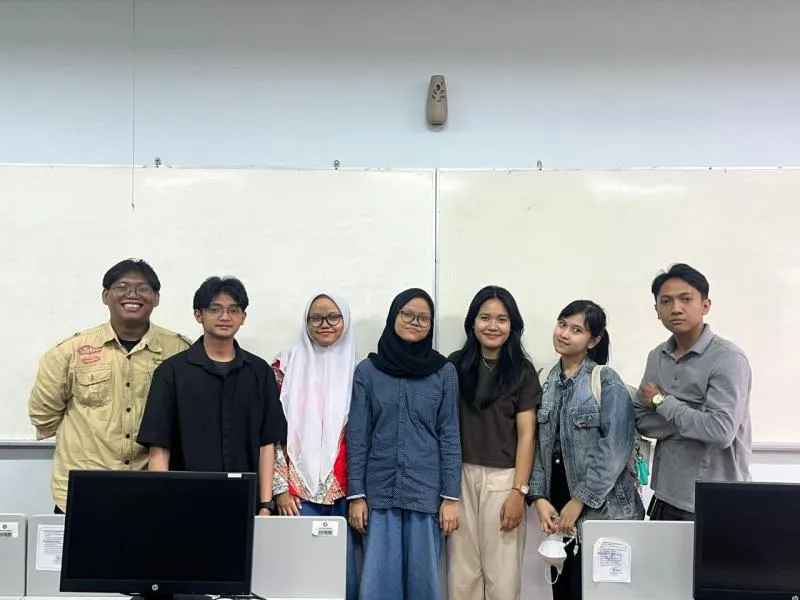
In Semester 6, I returned to Data Structures, but with a new cohort (Class of '24).
The difference?
-
I was much more confident.
-
I was bolder in using everyday life analogies.
-
I even made my first content for TikTok, reaching 80,000 views.
-
I taught 50 people in one class.
This wasn't just a presentation.
This was teaching.
Topics like Graphs were explained through:
-
social media algorithms,
-
relationships between users,
-
how "we are recommended friends".
It felt different. Larger. Heavier. But also more meaningful.
🚀 Semester 7 — GitHub Classroom and the Legacy I Want to Leave
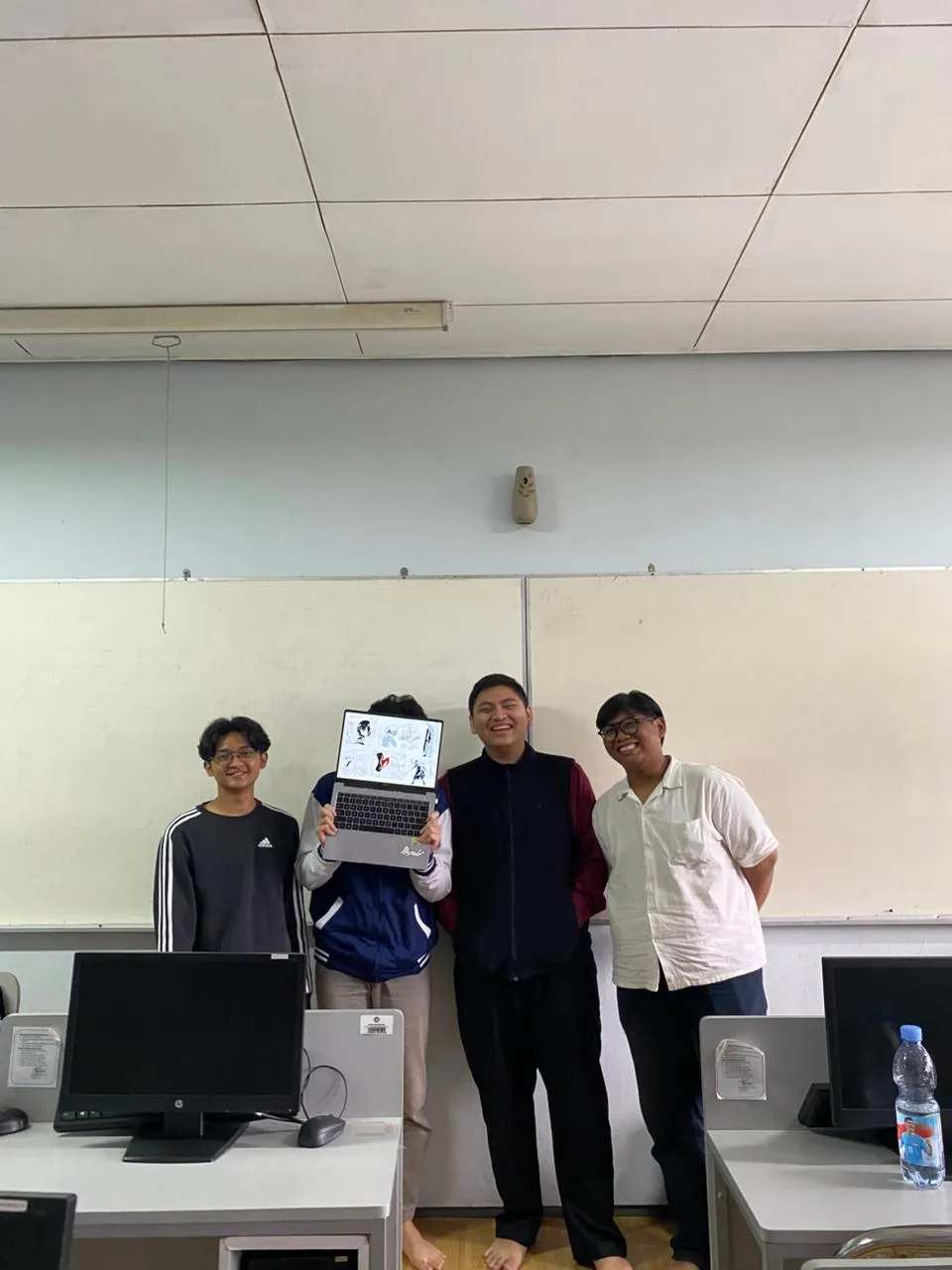
In Semester 7, I taught two classes simultaneously:
-
Web-Based Programming
-
Object-Oriented Programming
This was when I made an important decision:
to use GitHub Classroom.
It wasn't just a tool.
It was a legacy.
The challenge was immense:
-
students in Semesters 3 & 5 had never been taught Git/GitHub before,
-
the material was vital but often skipped,
-
it felt overwhelming at first.
But gradually:
-
they became accustomed to repositories,
-
started understanding version control,
-
learned collaboration,
-
and got to know industry standards early on.
I realize they might forget my name someday.
But if one day they say:
"I'm glad I was taught GitHub back then..."
That would be enough.
I hope this becomes:
-
a long-term asset,
-
knowledge that keeps flowing,
-
and hopefully... a charity that never ceases (amal jariyah).
🧾 Closure — Teaching is Not About Me, But About Impact
From semester to semester, one thing has become clearer to me:
Teaching isn't about being smart.
It's about caring.
Caring if they understand.
Caring if this knowledge is relevant.
Caring if what we teach will be useful after graduation.
I'm not a permanent lecturer.
I'm nobody.
I'm just someone who has worked in the industry,
while also being a student,
and who wants to leave something meaningful behind.
If one day this legacy is still being used,
then all that exhaustion...
was worth it.